Can Kids Get Restless Legs Syndrome?
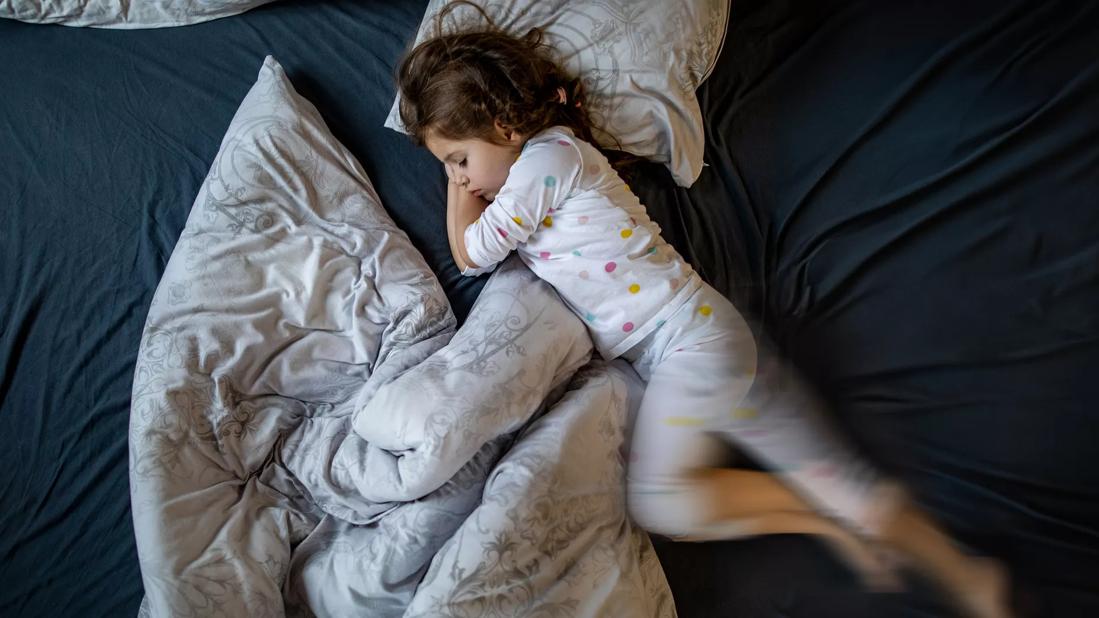
It’s bedtime — you’ve tucked your child in, turned off the light and closed the door. Just when you think they’re drifting off, a tiny voice calls out, and you’re back to square one.
Advertisement
Cleveland Clinic is a non-profit academic medical center. Advertising on our site helps support our mission. We do not endorse non-Cleveland Clinic products or services. Policy
“Many conditions can affect children’s sleep,” says pediatric sleep medicine specialist Lauren Goldman, MD. “Restless legs syndrome (RLS) is a common sleep-related condition — although it often goes undiagnosed in children.”
Dr. Goldman explains what RLS looks like in kids and how to help your child (and family) get a better night’s sleep.
Diagnosing restless legs syndrome in kids
RLS causes an uncomfortable and uncontrollable urge to move your legs and, less often, your arms and torso. It’s typically worse in the evening as you’re trying to go to sleep, or may occur during a middle-of-the-night awakening. Kids often describe it as a creepy crawly or uncomfortable sensation that makes their legs jerk or jump, but it can also be described as painful.
Because RLS interferes with sleep, children may have problems during the day with:
There’s no specific test for restless legs syndrome. To diagnose it, healthcare providers ask the person — regardless of their age — to describe their symptoms.
Young children or kids with neurodevelopmental disorders may have difficulty explaining their symptoms. In this case, Dr. Goldman uses other clues to make a diagnosis of “suspected RLS.” These clues include:
- Family history of RLS.
- Parent’s observations — noting their child’s jerky leg movements at night that affect sleep.
- Overnight sleep studies showing frequent leg movements.
The symptoms of RLS often overlap with another common cause of leg pain in kids — growing pains. Both are worse at night, interfere with sleep and tend to get better with movement.
“We aren’t quite sure what causes growing pains or if it’s even a separate condition from RLS,” notes Dr. Goldman. “If your child has frequent leg pain or discomfort at night, ask your provider about both growing pains and restless legs syndrome.”
RLS and ADHD
There’s also a close association between RLS and attention-deficit/ hyperactivity disorder (ADHD). According to one study:
- About 25% of children with RLS have ADHD symptoms.
- Up to 44% of children with ADHD have RLS symptoms.
Healthcare providers aren’t sure exactly why RLS and ADHD occur together. They could have a common genetic or environmental cause. For example, iron deficiency is linked to both conditions.
Tracking restless legs syndrome symptoms
If you suspect your child has RLS, Dr. Goldman recommends tracking their symptoms. Good documentation can help your child’s provider rule out other conditions and pinpoint the cause.
When recording RLS symptoms, note:
- What time they occur.
- How long they last.
- How frequently they happen.
- What makes them better or worse.
Tips to help your child with restless legs syndrome
As a first step, providers usually recommend treatments that don’t require medications. Home remedies for RLS include:
- Warm or cool compresses.
- Hot baths or showers.
- Stretching or massages.
- Regular physical activity, though not too close to bedtime.
Here’s how you can weave those solutions into your kid’s bedtime routine:
Practice a healthy sleep routine
Not getting enough sleep can worsen RLS. Dr. Goldman suggests helping your child adopt healthy sleep habits by:
- Sticking to a consistent sleep-wake schedule — even on weekends and vacations.
- Ensure adequate sleep opportunity by getting your children ready for bed at an age-appropriate time. Children have different sleep duration recommendations depending on their age, so you want to make sure they have that time built in.
- Limit drinks and heavy meals before bed. A light snack is OK.
- Turn off screens and start getting ready for bed an hour ahead of time.
Get regular physical activity
Routine exercise and stretching can also reduce RLS symptoms because they help increase blood flow to leg muscles and increase dopamine, which reduces pain. Encourage your child to move every day — whether they play sports, run around at the playground or do a kid-friendly yoga video at home. But they should avoid physical activity right before bedtime — it can make falling asleep more difficult, says Dr. Goldman.
Avoid triggers
Antihistamines that help relieve allergies and cold symptoms are a common trigger for RLS. These medications are available over the counter and as prescriptions. “If your child needs an antihistamine, give it to them in the morning instead of at night,” says Dr. Goldman. “A second generation antihistamine (loratadine, cetirizine, fexofenadine) is better for RLS than a first generation antihistamine (diphenhydramine/Benadryl®).”
And avoid other triggers, like caffeine, found in coffee, energy drinks and chocolate. Alcohol and tobacco can also be triggers.
Try a warm bath and massage
A warm bath or shower before bed and a gentle leg massage can also help reduce RLS symptoms. They can also help your child’s muscles relax and recover, and help them get to sleep faster.
Eat an iron-rich diet
Iron deficiency is a main cause of RLS. The best way to increase your child’s iron levels is by eating iron-rich foods, like:
- Meat, poultry and seafood.
- Dried and canned beans.
- Dried fruits, like raisins, figs and prunes.
- Iron-enriched bread, pasta and rice.
- Seeds and nuts.
- Tofu.
- Vegetables, including broccoli, potatoes and dark leafy greens.
A daily multivitamin that contains iron is also a good idea (with the approval of your healthcare provider), adds Dr. Goldman.
When to call your provider
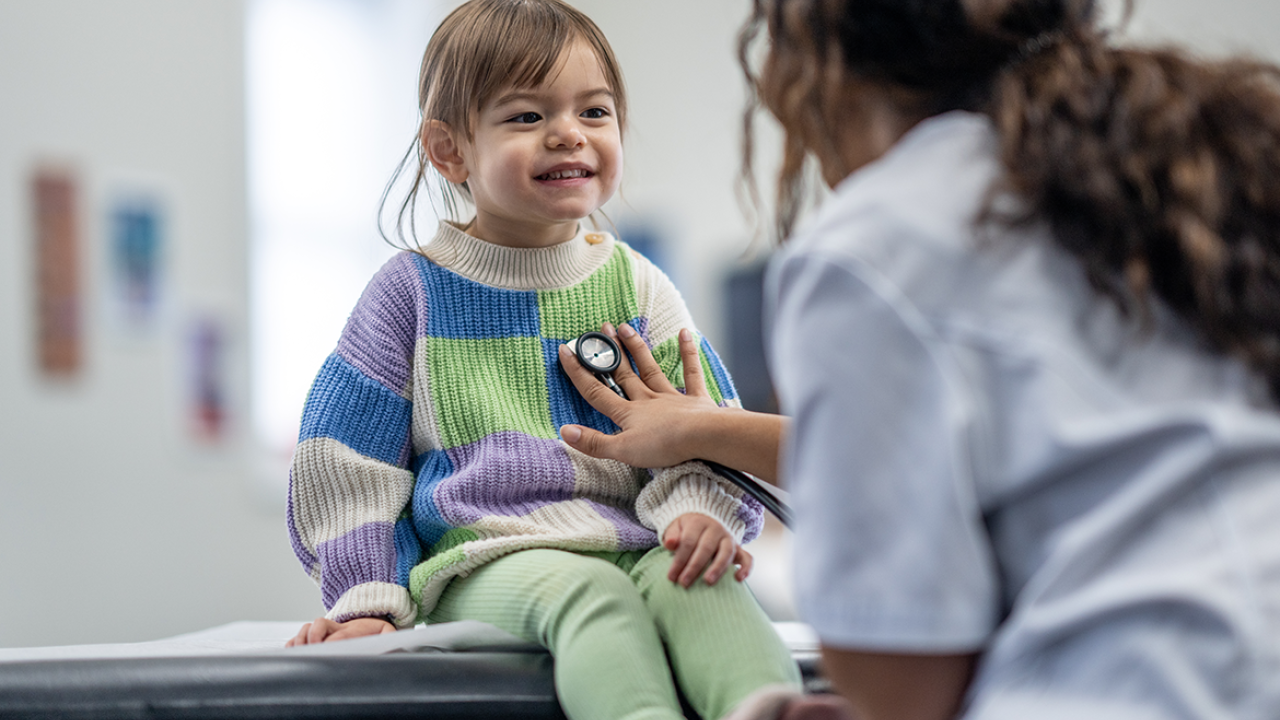
If your child’s symptoms are disturbing their sleep and daytime routine, it’s time to see their provider. They can review your child’s symptoms and make a diagnosis if possible. They may also order a blood test to check your child’s iron levels.
Even if your child’s iron is in the typical range, their provider may recommend iron supplementation. “We typically aim for higher iron levels in children with RLS,” says Dr. Goldman. “This requires routine monitoring to make sure the levels are in the right range. Iron supplementation often improves symptoms but may take three to four months to have an effect.”
Beyond iron supplementation, there are few treatments for RLS in children. The main option is gabapentin, a medication that affects the nervous system and can reduce RLS symptoms. Your provider may recommend this or another medication if home remedies and iron supplementation aren’t effective.
RLS is a lifelong condition, and your child’s symptoms may come and go. The best strategy is to help them adopt healthy routines for sleep, exercise and nutrition. These habits can help minimize their symptoms now and into adulthood so they can get the rest they need whenever they need it most.
link