Lack of vaccination and symptoms lead Dr. Kube to suspect measles

After a very warm and enjoyable fall, we saw the temperatures drop as fall finally settled into central Ohio. With this change in weather has come the inevitable increase in patients coming into the Emergency Department (ED) with complaints of fevers, chills, cough and sore throat.
On several ED shifts, it felt like much of what I was seeing was patients with the same seasonal virus. I was having the same conversation multiple times a day, telling patients to rest, increase their fluid intake, use acetaminophen and ibuprofen to help with their symptoms, and to wash their hands frequently to minimize the spread to others. I also recommended that my patients get their Covid and flu vaccines if they had not done so already.
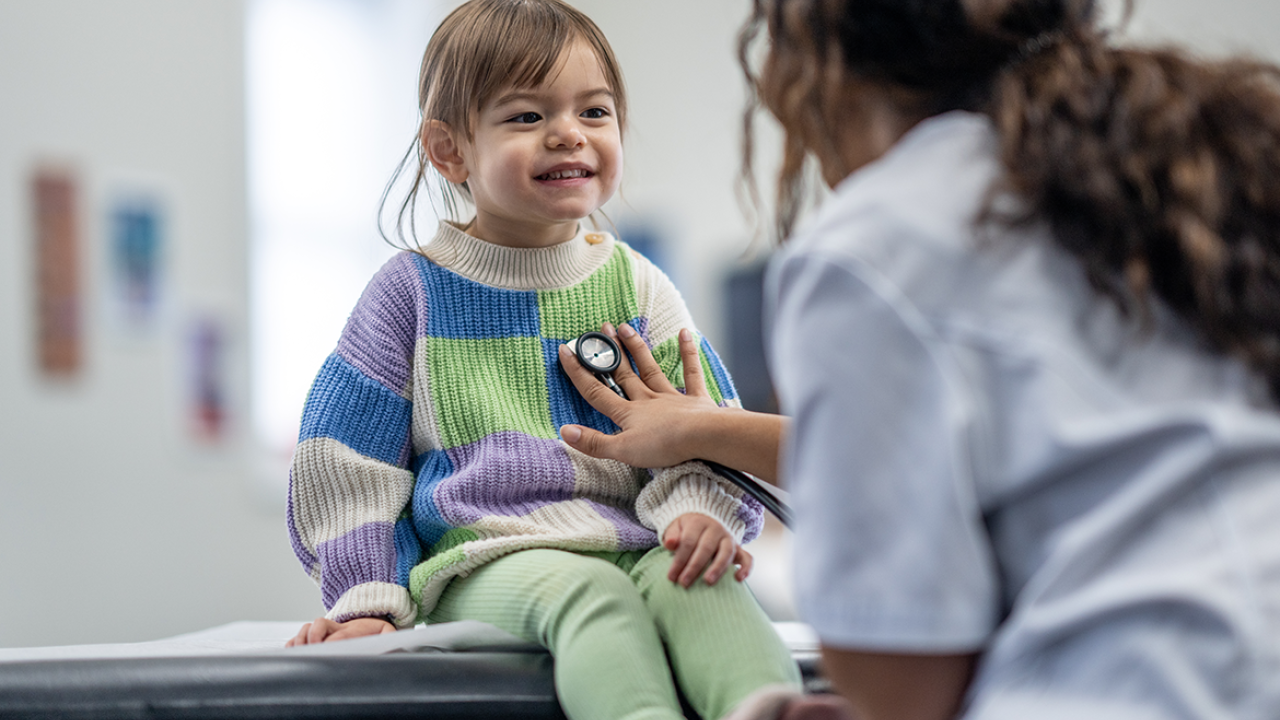
On a busy overnight shift, I had a family with three children come into the ED with complaints of fever, cough and sore throat. I quickly looked over the charts of the children, who ranged in age from 2 to 6 years old. I noted that none of them had any known past medical history and were not frequently seen in the ED. I wore a mask and gloves when I went in to see them.
Dr. Kube: When a headache is more than just a headache
I first asked mom about what brought them all to the ED that night and asked about their past medical history. She said they were all previously healthy kids and that the oldest was the first one that became ill, followed by his siblings. All three kids had been running fevers around 102 degrees, which was accompanied by coughing, runny nose, watery and red eyes, sore throat and fatigue.
As I started to examine the children, mom said that she was really worried because she had heard on the news that someone with measles may have been at their day care the previous week. I finished examining the children, paying particular attention to specific aspects of their physical exam that are characteristic for measles, such as white spots in the mouth that are known as Koplik’s spots. I did not see Koplik’s spots on any of the children, but I did notice a rash to their faces and redness of their throat and eyes, which made me concerned they had measles as they had many of the early symptoms of measles.
Dr. Kube: Patient’s post-surgery rash more painful than appendicitis
I asked mom more about their vaccine history as the MMR vaccine is the single best method to prevent measles infection. She said that she and her husband had decided against vaccinating their children. Data indicates that one dose of MMR vaccine is 93% effective against measles, while two doses of the vaccine are 97% effective against measles. Without being vaccinated, the risk of infection was high.
As of mid-October, there were a total of more than 1,500 confirmed cases of measles in the U.S. and I was aware that we were seeing an outbreak, defined as three or more related cases, in central Ohio. (Most of the cases involved one family with a student in New Albany-Plains School District’s Early Learning Center, though there was one other, separate case.) I explained to mom that we would need to notify the health department of our concerns that her children could have measles and proceed with further testing, which included a throat swab and blood work.
This was the first time in my medical career that I was faced with a possible measles patient. In 2000, the U.S. had declared measles eliminated, which means that the disease had stopped circulating continuously nationwide for 12 months or more. Once eliminated, the disease can be reintroduced from other parts of the world through patients traveling with the virus into the US. This in conjunction with a decrease in vaccination rates in the U.S. has led to the highly contagious measles virus being active and spreading within the U.S. again.
Dr. Kube: Protecting yourself from Lyme disease
Vaccine rates in kindergarteners decreased from 89.9% in 2019-2020 to 85.4% in 2024-2025. As a community, we need a vaccine rate of 90% or higher against a highly virulent disease like measles to have herd immunity. Herd immunity occurs when enough people in an area have achieved immunity (protection) against a specific virus to make it difficult for the infection to spread among the community. Because vaccination rates have been decreasing, there are unprotected people in the community that can be infected and subsequently spread the infection to others who are not already protected by vaccination.
Common complications from measles can include ear infections, pneumonia, diarrhea and croup. More serious complications, which can affect even previously healthy patients, can cause serious illness that requires hospitalization. One such complication is acute encephalitis, which is infection and inflammation of the brain and surrounding tissues that can lead to permanent brain damage.
One to three out of every 1,000 children who have measles will die from respiratory and neurological complications. A rare but fatal degenerative disease of the central nervous system seen with measles infection is called subacute sclerosing panencephalitis, which can lead to behavioral and intellectual deterioration and seizures that develop as many as 8-10 years after the measles infection.
Dr. Kube: Cardiac arrest a tough battle for patients to overcome
After we obtained throat swabs and blood from all 3 children, we recommended they isolate at home away from others. It would take a few days to confirm whether they tested positive for the measles virus. I discussed with mom signs and symptoms for which they should seek reevaluation in the ED and then discharged them home.
It is particularly important for those of us who can be vaccinated to do so to protect ourselves and the people around us. There are some people in our community who are unable to be vaccinated against diseases like measles because of allergy to the vaccine, young children, pregnant women, and those who are immunocompromised such as receiving chemotherapy for cancer.
To stop the reemergence of vaccine-preventable illnesses and prevent unnecessary deaths, I would encourage you to consult with your doctor and ensure you are up to date on your vaccinations. Your life and the lives of others may depend on it.
Dr. Erika Kube is an emergency physician who works for Mid-Ohio Emergency Services and OhioHealth. She can be reached at: [email protected].
link