
Clinical Guidance for Group A Streptococcal Pharyngitis | Group A Strep

Cause
Group A streptococcal pharyngitis is an infection of the oropharynx caused by Streptococcus pyogenes (group A strep bacteria).
The incubation period of group A strep pharyngitis is approximately 2 to 5 days.
Risk factors
Anyone can get group A strep pharyngitis, but age and close contact can increase someone’s risk of infection.
Age
Group A strep pharyngitis is most common among children 5 through 15 years of age. It’s rare in children younger than 3 years of age.
Close contact
Close contact with another person with strep throat is the most common risk factor for illness.
Contact with children: Parents of school-age children and adults who are often in contact with children are at increased risk.
Crowded settings can increase the risk for spreading the bacteria. These settings include:
- Daycare centers and schools
- Detention or correctional facilities
- Homeless shelters
- Military training facilities
Clinical features
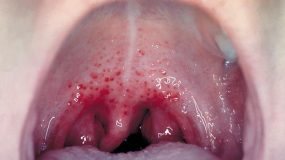
Acute pharyngitis symptoms
It commonly presents with
- Fever
- Pain with swallowing
- Sudden onset of sore throat
On clinical examination, patients with group A strep pharyngitis usually have
- Anterior cervical lymphadenopathy
- Palatal petechiae
- Pharyngeal and tonsillar erythema
- Tonsillar hypertrophy with or without exudates
Patients with group A strep pharyngitis may also present with a scarlatiniform rash. The resulting syndrome is scarlet fever.
Less common symptoms
Other symptoms, especially among children, may include:
- Abdominal pain
- Headache
- Nausea and vomiting
Subacute illness
Respiratory disease caused by group A strep infection in children younger than 3 years of age rarely manifests as acute pharyngitis. Instead, these children usually have what is called “streptococcal fever” or “streptococcosis,” which involves mucopurulent rhinitis followed by:
- Anorexia
- Fever (but rarely high)
- Irritability
Diagnosis
Differential diagnosis
The differential diagnosis of acute pharyngitis includes multiple viral and bacterial pathogens. Viruses are the most common cause of pharyngitis in all age groups.
Experts estimate that group A strep, the most common bacterial cause, causes
- 20% to 30% of pharyngitis episodes in children
- 5% to 15% of pharyngitis infections in adults
Clinical examination only with viral symptoms
Healthcare providers can use history and clinical examination to diagnose viral pharyngitis when clear viral symptoms are present. These patients don’t need testing for group A strep bacteria.
Testing and diagnosis
To confirm group A strep pharyngitis, healthcare providers can use either
- A rapid antigen detection test (RADT)
- Throat culture
RADTs have high specificity for group A strep bacteria but varying sensitivities when compared to throat culture. Throat culture is the gold standard diagnostic test.
Positive RADT or culture
Healthcare providers can use a positive RADT or throat culture as confirmation of group A strep pharyngitis.
Negative RADT
Children older than 3 years: Healthcare providers should follow up a negative RADT with a throat culture. Have a mechanism in place to contact the family and initiate antibiotics if the back-up throat culture is positive. Giving antibiotics to children with confirmed group A strep pharyngitis can reduce their risk of developing acute rheumatic fever.
All other ages: Throat culture after a negative RADT isn’t routinely indicated. Acute rheumatic fever is very rare in these age groups.
Treatment
Patients, regardless of age, who have a positive RADT or throat culture need antibiotics. Don’t treat viral pharyngitis with antibiotics.
Benefits of antibiotics
Using a recommended antibiotic regimen to treat group A strep pharyngitis:
- Shortens the duration of symptoms
- Reduces the likelihood of transmission to close contacts
- Decreases the development of complications
Recommended antibiotics
Penicillin or amoxicillin is the antibiotic of choice to treat group A strep pharyngitis.
Other options for patients with a penicillin allergy
Prescribe one of multiple recommended regimens for patients with a penicillin allergy. However, avoid cephalexin and cefadroxil in patients with immediate type hypersensitivity to penicillin.
Antibiotic resistance
There’s never been a report of a clinical isolate of group A strep bacteria that’s resistant to penicillin or cephalosporins. However, resistance to azithromycin, clarithromycin, and clindamycin is well known and varies geographically and temporally.
Complications
Rarely, complications can occur after group A strep pharyngitis.
Suppurative complications
Suppurative complications result from the spread of group A strep bacteria from the pharynx to adjacent structures. They can include:
- Cervical lymphadenitis
- Mastoiditis
- Peritonsillar abscess
- Retropharyngeal abscess
Other focal infections or sepsis are even less common.
These complications are more likely to occur after an untreated infection.
Nonsuppurative sequelae
Nonsuppurative sequelae of group A strep pharyngitis include:
These complications occur after the original infection resolves and involve sites distant to the initial group A strep infection site. They’re thought to be the result of the immune response and not of direct group A strep infection.
Prevention
Hand hygiene
Good hand hygiene and respiratory etiquette can reduce the spread of group A strep bacteria.
Antibiotic treatment
Treatment with an appropriate antibiotic for 12 hours or longer limits a person’s ability to transmit group A strep bacteria.
People with group A strep pharyngitis should stay home from work, school, or daycare until both of the following are met:
- They are afebrile
- At least 12–24 hours after starting appropriate antibiotic therapy
link